
Introduction
In the world of fitness, the deadlift is one of the most powerful and well-respected strength exercises. It is a basic exercise that teaches the body how to safely and effectively lift things off the ground while also increasing strength in all parts of the body. Most people who search for how to deadlift want more than just directions; they want to feel secure, confident, and get results. This move works the muscles in the legs, hips, back, core, and grip all at once, which is why it is such an important part of bodybuilding, sports training, and general fitness.
The deadlift is different from many gym workouts since it works more than one muscle group at a time. Getting groceries, lifting bags, or moving furniture all use the same basic movements. Doing this exercise the right way will help you avoid getting hurt in the gym and outside of it. At the same time, learning how to do the deadlift may greatly enhance your posture, strength, and body awareness. This article goes into great detail on the movement, from the basics to more complex concepts, so that readers may be sure they are building a strong, flexible body.
How the Deadlift Works
It’s important to know what happens during a deadlift before you touch a barbell. It’s a hip hinge, not a squat. This means that the hips move forward and back while the spine stays in the middle. The knees bend, but they don’t control the movement. The idea is to move force from the ground via the feet, legs, and hips while keeping the torso strong and steady.
Many novices make the mistake of merely focusing on raising the weight when they learn how to deadlift. The lift really starts before the bar leaves the ground. Setting up correctly, keeping your body tense, and breathing in a controlled way are all very important. The spine should stay straight during the whole action, neither too rounded or too arched. This posture lets the muscles do their job without putting too much stress on the joints and connective tissues.
There are two primary parts to the deadlift. The first step is the draw from the floor to the knees. In this phase, leg propulsion and core stability are very important. The lockout is the second phase, and in this phase, the hips fully stretch and the body stands tall. Lifters can find their flaws and improve their technique over time by knowing these phases.
How to Get Ready for a Strong and Safe Deadlift
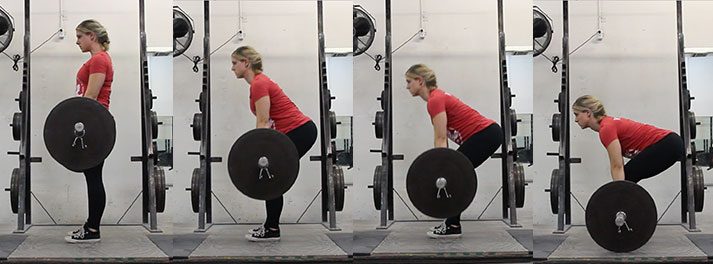
A good setup is the first step to a successful lift. Start by standing with your feet about hip-width apart and your toes pointing slightly outward. The bar should be above the middle of the foot, not against the shins or too far forward. This positioning makes sure that the leverage is balanced and the force is transferred quickly.
Before you lift, bend at the hips and reach down to grab the bar. The hands should be just outside of the knees. Once you have a good grasp, bend your knees a little bit so that your shins touch the bar. The hips should now be higher than the knees but lower than the shoulders. The chest is raised, the back is flat, and the head stays in line with the spine.
This is the stage where a lot of mistakes happen, and it’s also the moment where knowing how to deadlift effectively pays you the most. It’s really important to build up tension before lifting. Pull your shoulders down and back, and envision bending the bar a little bit in your hands. This tension throughout the body protects the spine and gets the muscles ready to make force.
How to do the Deadlift the Right Way
After the setting is done, the lift should feel smooth and within control. Keep your core tight and push through the floor with your feet. As the bar raises, it should stay close to the body and move in a straight line. The hips and shoulders move up at the same time, which stops the hips from going up too quickly.
When the bar gets to your knees, focus on pushing your hips forward. This hip extension is what straightens the body all the way up. Stand up straight at the peak of the lift, with your chest open and your shoulders over your hips. Don’t lean back too much, as this puts extra stress on the lower back.
It’s just as crucial to lower the bar as it is to lift it. First, bend at the hips and push them back while maintaining the bar near to your legs. When the bar gets past your knees, bend your knees and bring the bar back down to the floor. Keeping control during the descent helps you move correctly and builds strength safely. To learn how to deadlift well and consistently, you need to know these things.
Breathing and Bracing to Stay Stable
People often forget to breathe, yet it is really important for deadlifting safely and well. Breathe deeply into your abdomen, not your chest, before you lift the bar. This breath builds pressure inside the abdomen, which aids the spine and keeps the torso stable. Bracing is the act of contracting the core muscles around this breath.
As you start the lift, hold this brace and keep it up during the hardest phase of the movement. Only breathe out once the bar has passed the sticking point or when you are standing up straight. Not only does proper breathing preserve the spine, but it also makes muscles stronger by giving them a solid basis to work from.
If you’re new to deadlifting, it could feel strange at first to learn how to breathe and brace yourself. But with experience, it becomes second nature. This skill may be used in various exercises and everyday tasks, which helps to build total core strength and body control.
How to Avoid Common Mistakes
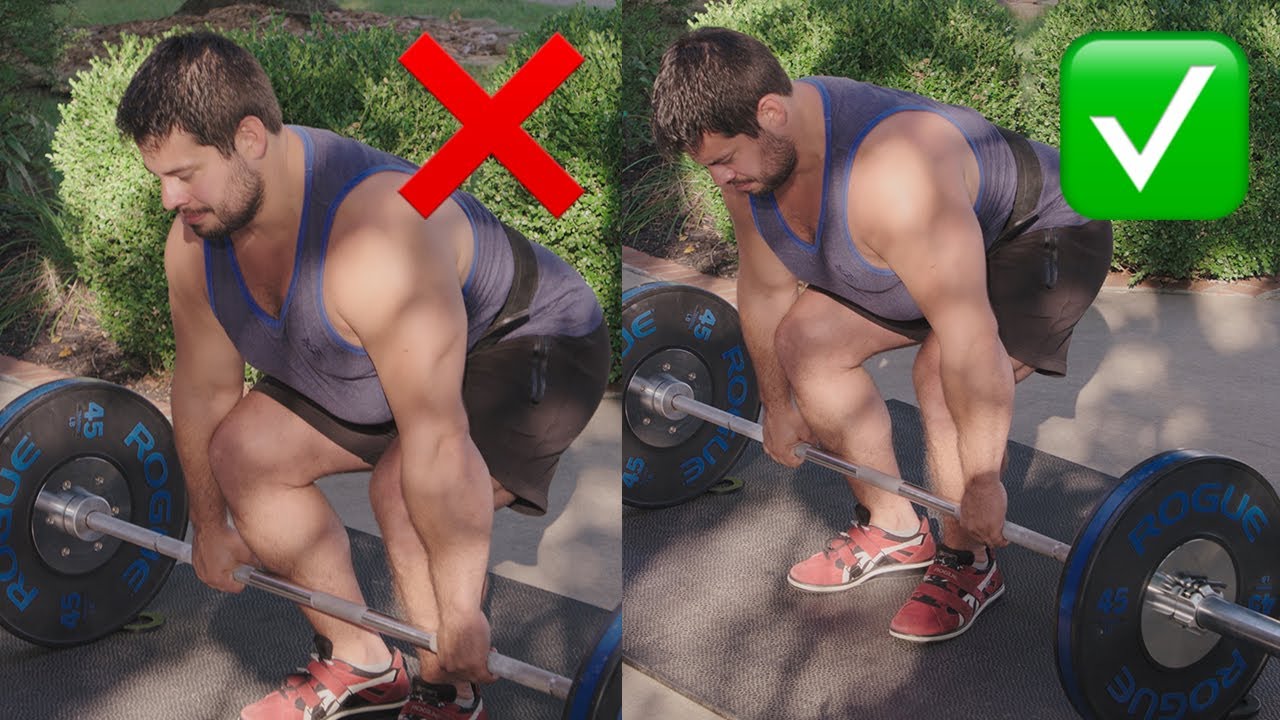
Even people who have been lifting for a long time can develop unhealthy habits. Rounding the lower back is one of the most prevalent faults. This happens a lot when the weight is too heavy or the setup is hasty. For long-term success and to avoid injuries, it is important to keep your spine straight.
Another common problem is letting the bar go too far away from the body. When this happens, the leverage isn’t as good, which puts more stress on the lower back. Keeping the bar close makes sure that the hips and legs do most of the work. Another mistake that hurts technique and raises the chance of injury is jerking the bar off the floor. It’s always safer and more effective to pull steadily and with control.
A lot of people also don’t understand how important the lockout is. Not properly extending the hips implies not getting stronger and not using the right muscles. To learn how to deadlift effectively, you need to be patient, conscious of yourself, and willing to lose weight to improve your form.
Different kinds of deadlifts and what they do
The traditional deadlift is the most frequent variety, however there are several types that are better for particular purposes and body types. The sumo deadlift has a wider stance and focuses more on the inner thighs and hips. This variation may be more comfortable for people who have trouble moving their hips or have longer torsos.
The Romanian deadlift puts the most stress on the hip hinge and the least on the knee bend. It is great for building strength in the hamstrings and the back chain. The lifter is within the bar during trap bar deadlifts, which takes some of the tension off the lower back and makes the action easier for beginners.
Trying out numerous versions will help you learn more about how to deadlift well in different situations. Each variant teaches important lessons about how the body works, how to use muscles, and how to manage them, which all help make a complete strength program.
Strategies for Programming and Progression
To get better at the deadlift, you need to practice regularly and plan your workouts wisely. Beginners do well with less weights and more concentration on form. As strength grows, you can start to add more weight slowly. It’s important to keep track of your lifts and pay attention to your recovery if you want to be successful in the long run.
Days off are just as crucial as days of training. The deadlift puts a lot of stress on the muscles and nervous system, so getting enough rest helps you get stronger and avoid burnout. Adding auxiliary workouts that work the core, glutes, and upper back can also help you do better.
Respecting the process is key to learning how to deadlift for a long time. It’s not always a straight line to progress, and setbacks are a normal part of the process. The only real keys to getting better are patience and consistency.
Things to think About for Safety and Avoiding Injuries

When doing deadlifts, safety should always come first. A good warm-up gets the muscles and joints ready for big loads. Starting with lighter sets lets the body practice the movement and improve skill before going all out.
It’s very important to listen to your body. discomfort, especially intense or long-lasting discomfort, is an indication that you need to pause and think about what you’re doing. Wearing the right shoes or lifting without shoes might help you stay stable by giving you a solid connection to the ground. Belts and straps can be helpful, but they shouldn’t be used instead of solid technique.
Learning how to do the deadlift safely is a good way to improve your health and performance in the long run. When done correctly, the deadlift makes the body stronger and lowers the chance of being hurt in regular life.
The Mental Part of Deadlifting
Deadlifting not only promotes physical strength, but also mental strength. To lift a heavy bar, you need to be focused, sure of yourself, and dedicated. Setting up, breathing, and doing the lift in a certain way teaches discipline and being present.
Each successful lift makes you believe in yourself more, and each failure pull teaches you to be humble and learn. The deadlift becomes more than just an exercise over time; it becomes a way to learn how to keep going. This mental power extends to other aspects of life, underscoring the need of learning to deadlift with purpose and respect for the task.
In conclusion
The deadlift is an exercise that has been around for a long time and rewards people who are patient, curious, and disciplined. Every part of the lift, from learning how to do it to improving your technique and creating mental power, helps you get healthy and strong. It’s not about lifting the highest weight as quickly as possible when you learn how to deadlift. It’s about mastering the movement, respecting your body, and making steady progress.
If done right, the deadlift builds strength, confidence, and functional ability that goes beyond the gym. Anyone can safely and effectively add this strong movement to their training if they pay attention to how to put it up, how to do it, and how to advance.
Read More:- Thow to Deadlift Properly: Complete Strength Training Guide