
Introduction
The deadlift is one of the most powerful and well-respected strength training exercises. People often call it the “king of lifts” since it trains many muscle groups at once and generates strength that you can use in real life. It’s important to learn how to do a deadlift correctly, not just to gain muscle and power but also to keep your body safe from injury. The deadlift can help with posture, make bones denser, and improve athletic performance in general when done correctly.
Many people who are new to the deadlift are scared of it since it requires them to lift a hefty weight off the ground. This dread often makes people do the workout wrong or not at all. But the movement itself is incredibly natural. Every time a person bends down to pick something up, they do a deadlift. The extra weight in the gym is the main difference, and it needs to be aligned, controlled, and aware of.
This article will take you through the deadlift step by step, explaining how it works, which muscles it works, and the most crucial technical nuances. Not only will you grasp the movement by the end, but you will also feel sure that you can do it safely and well.
Getting to Know What a Deadlift Is
The deadlift is basically a hip hinge movement. This indicates that the hips, not the knees or lower back, are mostly what moves the body. To learn how to do a deadlift correctly, you need to understand this idea. The barbell starts on the floor for the lift. You hold onto the bar, brace your body, and stand up by bringing your hips and knees together until your body is straight.
The deadlift is a complex activity, which means it works more than one muscle group at a time. It teaches the body to operate together as one. This is why it works so well to make you stronger and more coordinated. The deadlift also teaches you how to get power from the earth, which is a useful ability in sports, manual labor, and everyday life.
The deadlift works a lot of muscles and joints, so even tiny mistakes can make a major difference. That’s why it’s just as vital to know what the exercise is for and how it works as it is to raise the weight.
Muscles Used in a Deadlift

Even though the deadlift is frequently thought of as a lower body workout, it works out your whole body. The glutes and hamstrings are the main muscles that work to expand the hips. These muscles do most of the work to lift the weight.
The quadriceps are quite crucial at the beginning of the lift, especially as the bar comes off the ground. They assist the knees move more smoothly and keep the movement stable. The erector spinae and other lower back muscles operate isometrically to keep the spine stable and neutral during the raise.
The upper body is also very important. The lats help hold the bar close to the body, the traps help keep the upper back stable, and the arms connect the torso with the bar. The grip requirements even use the forearms and hands. One of the key reasons why knowing how to do a deadlift correctly is so important for building overall strength is that it works your whole body.
Why it’s Important to Have Good Deadlift Form
The right form makes the difference between a deadlift that is safe and effective and one that is dangerous. When done correctly, the deadlift makes the muscles that support the spine stronger and helps you move better. It can put too much stress on the lower back, hips, and knees if done wrong.
A lot of the injuries that happen when you deadlift aren’t because of the exercise itself, but because you don’t do it well or you lift more weight than your body can manage. Common mistakes that make injuries more likely include rounding your back, pulling the bar off the floor, and not bracing properly. When you know how to do a deadlift with the right technique, the weight is spread out over the muscles instead of putting too much stress on weak joints.
Good form also helps you get better results. You can lift more weight and make improvement faster over time if you use the right muscles.
Getting Ready for the Deadlift
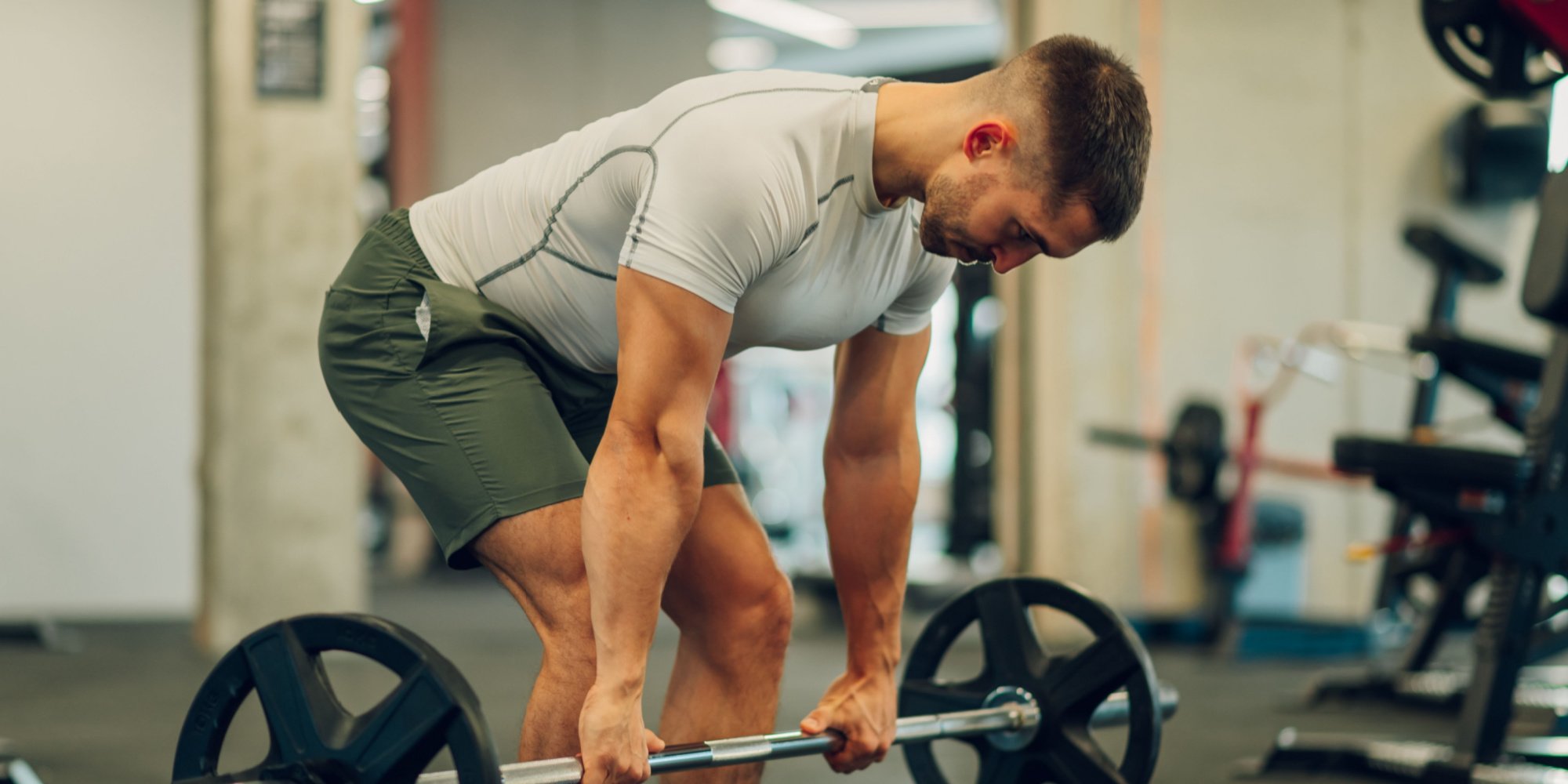
One of the most crucial things of the deadlift is how you set it up. Before the bar even leaves the ground, a significant lift starts. Stand with your feet about hip-width apart and the bar over the middle of your feet to begin. This alignment lets the bar move in a straight, efficient way.
To reach the bar, bend your knees and hips while keeping your chest up and your back straight. Your shoulders should be slightly in front of the bar, and your shins should be close to it but not pushing it forward. Hold on to the bar tightly, making sure your hands are just outside your knees.
Take a deep breath into your stomach and brace your core like you’re about to get hit before you lift. This bracing keeps the spine safe and stable. When you practice how to do a deadlift, it’s important to set everything up correctly since it sets the stage for the whole action.
What the Execution Phase Is
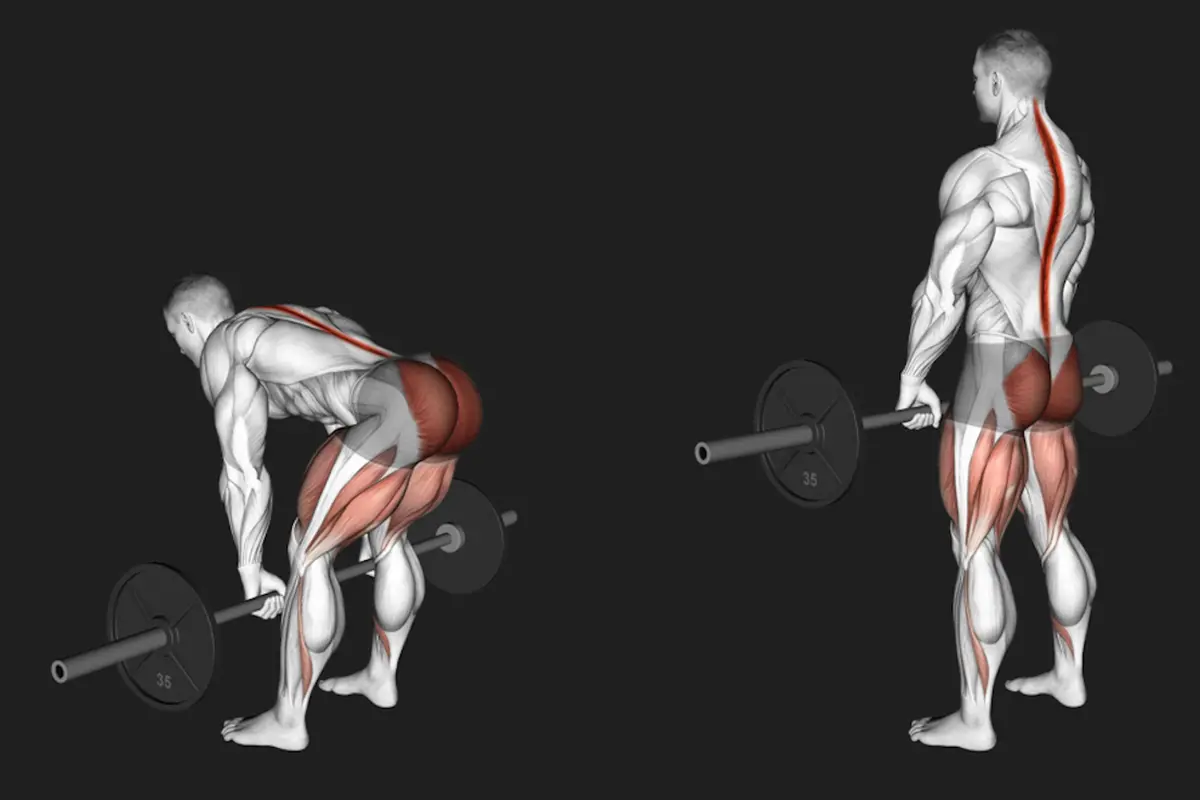
The lift should feel smooth and controlled after you have everything set up right. Start by pressing through your feet and straightening your hips and knees at the same moment. As you lift the bar, it should stay close to your body, almost brushing your shins and thighs.
When you stand up, keep your chest up and your core firm. Don’t pull with your arms or jerk the weight off the ground. You should feel like you are pushing the ground away instead of pulling the bar up.
When you reach the peak of the lift, stand up straight with your shoulders back and your hips completely extended. Don’t lean back or stretch your lower back too far. The lockout should feel powerful and steady. This step is very important for learning how to do a deadlift safely and effectively.
Lowering the Bar with Care
The descent is just as crucial as the lift. To lower the bar, keep your spine straight and press your hips back. Let the bar glide down your thighs, and then bend your knees when it gets past them.
Lifting the weight under control helps you move correctly and puts less stress on your joints. If you drop the bar carelessly, you could lose the benefits of proper technique and hurt yourself worse. One of the most important things to accomplish while learning how to do a deadlift is to practice a controlled descent.
How to Breathe and Brace
Breathing plays a critical role in deadlift performance and safety. Take a deep breath into your abdomen instead of your chest before you start the lift. This diaphragmatic breath generates pressure in the abdomen, which keeps the spine stable.
At the hardest part of the elevator, which is usually from the floor to the middle, hold this breath. When you get to the summit or finish the hardest part, breathe out. Breathing and bracing correctly make you stronger and lower the chance of your spine moving when you lift something heavy.
People often forget to learn this technique, although it is really important for getting better at doing a deadlift with higher weights.
How to Avoid Common Deadlift Mistakes
Rounding the lower back is one of the most prevalent faults. This usually happens when the hips don’t move well, the core isn’t strong enough, or the person lifts too much weight. To fix this problem, you should focus on keeping your spine straight and lowering the weight.
Another common mistake is allowing the bar move away from the body. This puts more stress on the lower back and makes it less effective to lift. When you keep the bar close, you may use better leverage and work more muscles.
A lot of lifters also rush the movement, giving up control for speed. When learning how to do a deadlift correctly and securely, it’s important to slow down and pay attention to your form.
Different Types of Deadlifts and What They Do
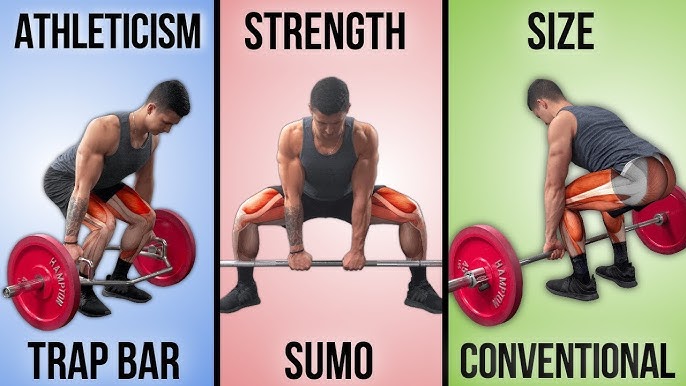
The standard deadlift is the most frequent, but there are other versions that can help you reach your training goals. The sumo deadlift makes the feet wider apart and works the inner thighs and hips more. The Romanian deadlift works the hamstrings and hip hinge more.
Each version teaches a little bit different mechanics and can help with deficiencies or limited mobility. But before you try different variations, you need to be able to do the basic deadlift well. If you know the basics of how to do a deadlift, you may change the exercise to fit different styles without putting your safety at risk.
Progression and Consistency in Training
Being consistent and patient will help you get better at the deadlift. Choose a weight that lets you keep your form flawless. As you get stronger and more sure of yourself, slowly add more weight. Don’t give in to the need to speed up progress, as this might lead to bad technique and delays.
To be successful in the long run, you need to keep track of your lifts, pay attention to how your body feels, and make recuperation a top priority. The deadlift rewards training that is focused and diligent.
Things to think about When You’re Just Starting Out
If you’re new to lifting, it’s best to start with lighter weights or just a barbell. Before introducing resistance, be sure you know how to move. Warm up well and don’t lift when you’re tired or not paying attention.
It’s really important to pay attention to your body. It’s natural for your muscles to be a little sore, but if your lower back hurts or hurts a lot, something is wrong. To learn how to do a deadlift properly, you need to know your limits and put form ahead of your ego.
The Mindset of the Deadlift
The deadlift is a test of both your body and your mind. To step up to a loaded bar, you need to be focused and sure of yourself. Having a consistent routine before lifting will help you relax and do better.
Visualization, regulated breathing, and talking to yourself in a positive way all help with good lifts. As you get better at deadlifting, the mental part of it gets easier, and you can fully use what you’ve learned about how to do it correctly and with confidence.
The Long-Term Benefits of Deadlifting
The deadlift has benefits that last longer than just building strength when done correctly. It makes the posterior chain stronger, improves posture, and increases functional strength. These benefits help with everyday tasks like lifting things, keeping your balance, and avoiding injuries.
The deadlift also helps you become more disciplined and conscious of your body. Learning and getting better at this complicated technique is a good way to get ready for other activities and sports.
Conclusion
The deadlift is one of the most effective strength training exercises, but it requires care and respect. There is more to doing a deadlift right than just lifting weight off the ground. It takes the right setup, careful execution, focused breathing, and regular practice.
If you pay attention to your form, listen to your body, and move slowly, you can make the deadlift a safe and gratifying element of your workout. If you want to get stronger, healthier, or better at everything, mastering this lift will help you for years to come.
Read More:- How to Deadlift Correctly: Complete Beginner to Advanced Guide XL